Food and Nutrition

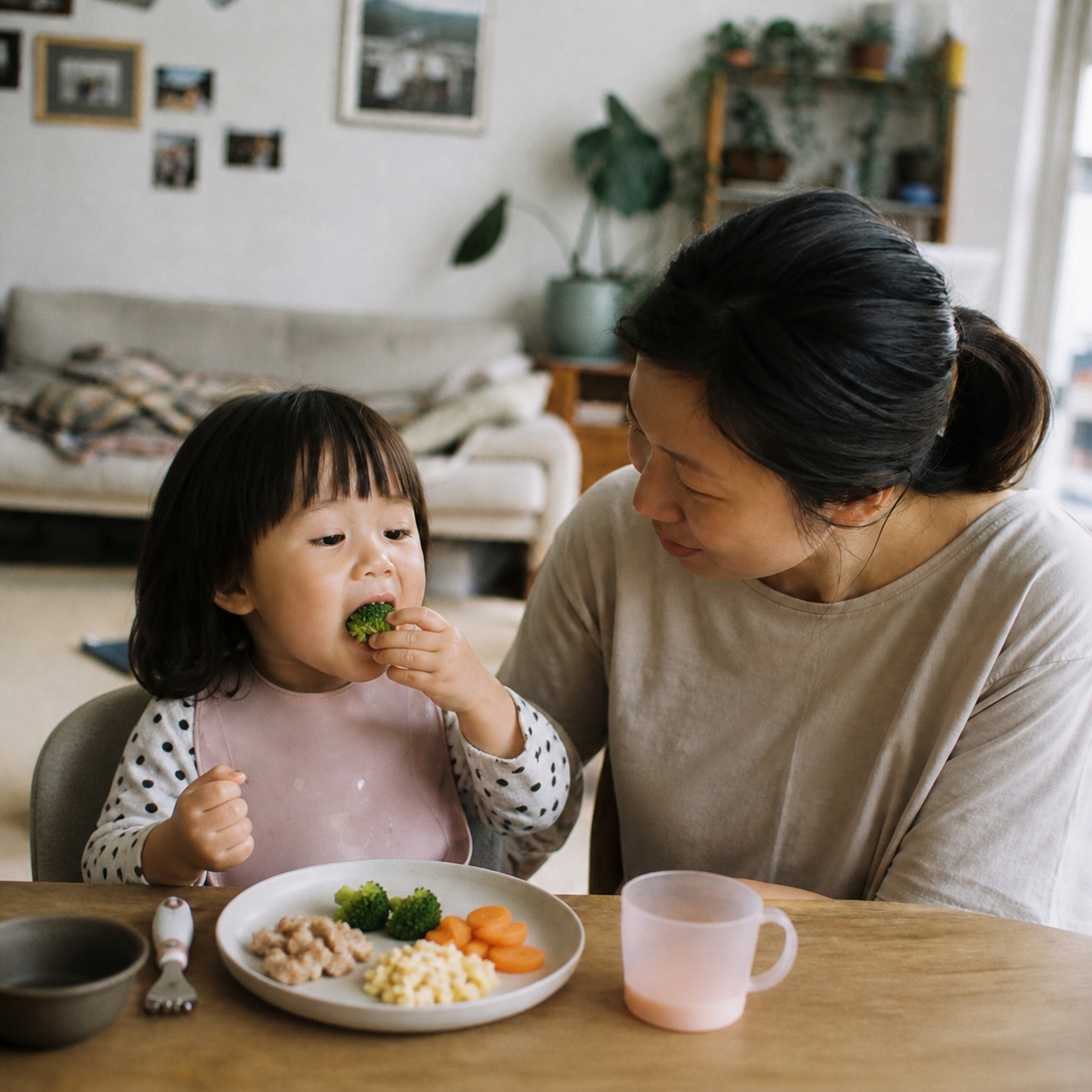
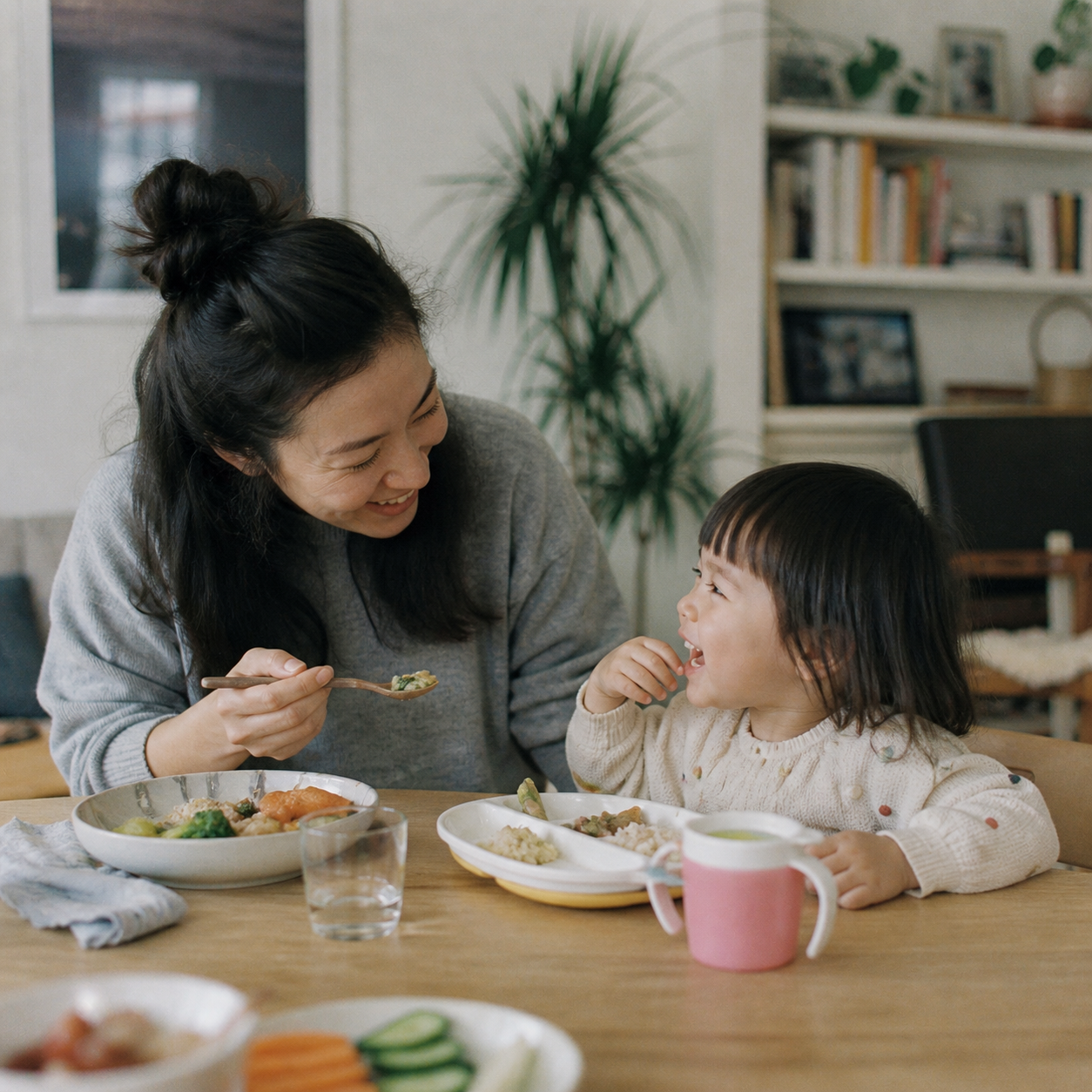
Eating well is really important for little ones. It gives them the energy they need to grow quickly, helps their brains develop, keeps their immune system strong, and sets up healthy habits for life. When children eat a balanced mix of foods, they get the vitamins and minerals needed for strong bones, healthy muscles, and organs—so they can grow, learn, and thrive.

Click below to find out more:

Feeding your baby can feel like a big task, but don’t worry—whether you choose breastfeeding or bottle feeding, your baby’s milk gives them everything they need to grow healthy and strong in those first months.

The best approach is called ‘responsive feeding’ which means letting your baby guide you. Instead of sticking to a strict schedule, watch for signs they’re hungry—like lip smacking, sucking on their hands, or rooting (turning their head as if looking for milk). Feed them when they show these cues and stop when they seem full. This approach works for both breastfeeding and bottle feeding. It helps your baby feel safe, builds a strong bond, and supports their natural ability to eat the right amount.

👉 Click here to find out more about feeding your young baby

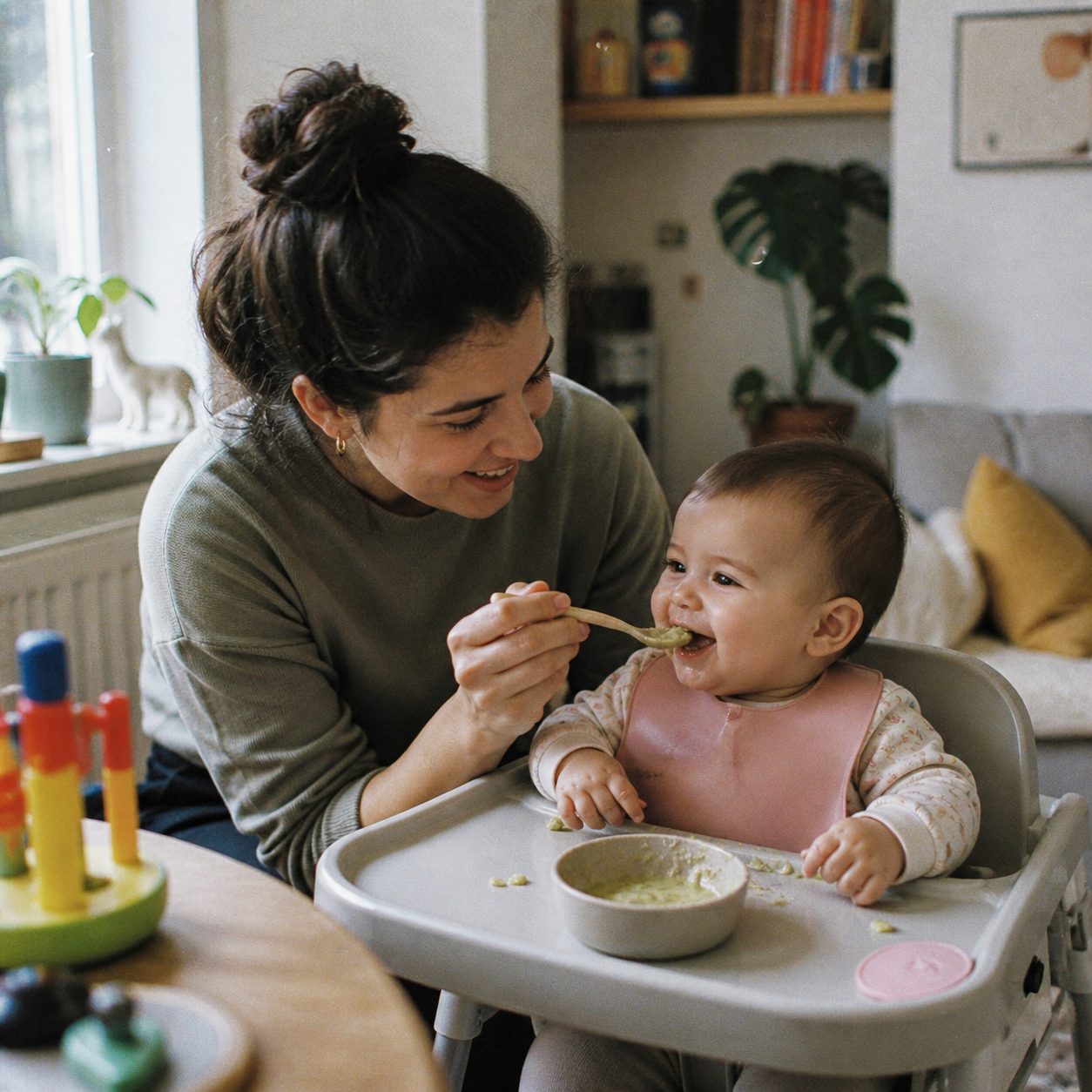
Around 6 months old, most babies start showing interest in what you’re eating—that’s a sign they’re ready to try solid foods! This stage can feel a bit scary because of worries about choking, but it’s also an exciting milestone. It means your baby is ready to explore new tastes and textures and is becoming more independent.

👉 Click here to find out more about introducing solid foods, safe weaning and weaning premature babies

As your little one starts trying new foods, it’s an exciting time! You’ll go from tiny finger foods to full meals like breakfast, lunch, and dinner. Some foods aren’t safe for young children. Things like salty snacks, sugary treats, honey, whole nuts, and certain cheeses can cause problems, so it’s best to avoid them.

Babies and toddlers can get sick more easily from bacteria in food. Simple steps like washing hands, cleaning surfaces, and cooking food properly can help keep them safe. Choosing the right drinks and cups matters too! The right choices help your child stay healthy and protect their teeth as they grow.

👉 Click here to find out more about healthy recipes, food safety and choosing the right drinks cup

Spotting Allergies
Some foods can cause allergic reactions in babies and young children. Common allergens include nuts, milk, eggs, and gluten. These can often be hidden in everyday foods like bread, sauces, cakes, and snacks. Always check food labels carefully to keep your child safe.

Introducing Allergens Safely
When your child starts eating solid foods, introduce common allergens one at a time and watch for any reactions. If your child shows signs like swelling, rash, vomiting, or trouble breathing, seek medical help immediately.

Food Intolerance vs Allergy
Food intolerance is different from an allergy. It doesn’t usually cause dangerous reactions but can make your child feel unwell, with symptoms including  tummy pain, bloating, or tiredness. Common triggers are dairy, gluten, and caffeine. If you suspect intolerance, speak to your doctor for advice and testing.

Key Tips for Parents

  • Read food labels carefully.
  • Introduce new foods slowly and watch for reactions.
  • Know the difference between allergy (serious) and intolerance (uncomfortable but not life-threatening).
  • Ask your doctor if you’re unsure about symptoms or safe foods.

👉 Click here to find out more about food allergies and intolerances in young children.

If your child isn’t eating much, it can feel very worrying. You may wonder if they’re getting enough food to grow and feel like you must be doing something wrong. Mealtimes may feel stressful or upsetting.

You are not alone. Many children go through tricky stages with food. These pages will help you understand why eating can feel difficult, how to spot the difference between normal fussiness and a restricted diet, and most importantly, explain what you can do to support your child.

Remember: this is not your fault. With time, patience, and the right help, things can get easier.

👉 Click below for information on:

Why eating feels hard for some children

There are lots of factors that can affect children’s eating.

👉 Click on the possible reasons below to see if they help to explain your child’s relationship with food.

Food and the 5 senses:

Children use all their senses – sight, touch, taste, smell, hearing, and even body awareness – every time they eat. For some children, one or more of these senses feels overwhelming. This can make food seem scary, confusing, or uncomfortable.

  • Sight – food may look too bright, colourful, or unusual.
  • Touch – sticky, lumpy, or crunchy textures may feel “wrong.”
  • Smell – strong smells can make children gag or feel sick.
  • Taste – some prefer very bland food, others need strong flavours.
  • Body awareness – some children struggle to know when they are full or hungry.

Environment, routine and distractions:

Busy environments: Mealtimes may be busy, pressured times with lots going on. This may feel stressful or overwhelming. ‘Escaping’ to a quieter environment might feel more important to a child than eating.

Unfamiliar environments and changes to routine: Some children may find anything out of the ordinary off putting. This could include eating at someone else’s house or even just eating off a different plate.

Distractions: If children are easily distracted, they can find it hard to focus on eating. They might find playing or watching TV more interesting than food.

Medical issues:

All of the following can affect a child’s relationship with food:

  • Chronic constipation
  • Allergies and food intolerances
  • Gastric reflux (stomach acid causing heartburn)
  • Previous experience of tube feeding
  • Pain of any kind e.g. infected tonsils, tooth decay

If you think that these are affecting your child, talk to your GP, 0-19 practitioner (or paediatrician if they have one already) to get some advice.

Feelings about eating and mealtimes:

Having negative feelings about eating and mealtimes can have a big impact.

Fear of new food – Children may worry new food will taste horrible. They may think they will get into trouble if they spit it out.

Unpredictable foods – Processed foods (like crackers or crisps) taste the same every time. Fruit and vegetables can be unpredictable – sometimes sweet, sometimes sour, sometimes soft, sometimes crunchy. This can make them harder for children to accept.

Bad experiences in the past – If something has made you feel sick or gag in the past, seeing it on your plate again will feel scary.

Feeling tired or unwell – both of these can affect appetite

Mealtime battles – these are stressful for both parents and children and are best avoided. See the next section for some top tips.

📦 Pen Portrait – Mia, age 5
Mia choked on a piece of apple when she was 3. Since then, she refuses all crunchy fruit. She will only eat smooth fruit purées. Her parents keep offering apple slices near her plate, but never force her. Over time, she now touches them, which is a first step.

Fussy eating versus a restricted diet

Many children are “fussy” at times. They may suddenly refuse foods, eat very little one day, or change their minds often. This is usually part of normal development.

A restricted diet is when children eat only a small range of foods, often for years, and can become very anxious about change.

👉 Click below to learn more about the difference between fussy eating and a restricted diet.

Fussy eating Restricted diet
  • Child’s eating varies from day to day
  • Can keep changing their mind about food
  • Not keen to try new food
  • More likely to choose processed foods
  • Often happens between 18 months – 2 years (a stage called neophobia).
  • Children usually grow out of it.

·         Still eat enough variety over time to stay healthy

  • Not just a phase.
  • Food choices are consistently limited and rigid.
  • Routines around mealtimes are strict. These may include cutlery and how food is arranged.
  • Child may avoid one or more whole food groups e.g. fruit and veg ,protein
  • Food is chosen based on texture, colour and/or brand.
  • Child sticks to ‘safe’ foods that they know
  • Can get very stressed about mealtimes, especially anything new or out of routine
  • Health or growth may be affected if their diet is very restricted

📦 Analogy Box
Think of fussiness as a “stormy patch of weather.” It passes on its own. A restricted diet is more like a “climate” – it lasts much longer and shapes daily life.

What you can do to help

Children learn best when food is safe, fun, and stress-free. Small steps, taken slowly, are most likely to succeed.

👉 Click below for ideas to help children who are fussy eaters or have a restricted diet.

Ideas for helping children who are fussy eaters :

Remember this is a normal stage that lots of children go through. Click below for some top tips on what to do and a short video.

Fussy eaters – NHS

Some of the ideas in the section below for restricted diets may also be helpful.

Ideas for helping with a restricted diet :

Helping a child who has a restricted diet can take a bit more planning and can be more long-term.

But don’t worry – there’s lots you can do to help. Just take it step by step

📦 Parent Reflection Box
“I used to feel so guilty and embarrassed about my daughter only eating a small selection of ‘junk’ food.  Now I remind myself that it’s not anyone’s fault: my child is doing their best, and so am I. We celebrate every small win.”

👉 Click on the headings below for tips and advice about supporting children who have a restricted diet.

Keeping mealtimes calm and predictable

  • Keep meals relaxed and try to avoid a rush.
  • Role model enjoying food and trying new things.
  • Stick to a routine (similar mealtimes each day if possible).
  • Use familiar plates, cutlery, and cups.
  • Keep meals short (about 20–30 minutes).

📦 Pen Portrait – Parent’s View
“Mealtimes used to go on for ages because I was so desperate to get my son to eat.  Now we keep meals short, and I let him leave food he doesn’t want. Mealtimes are much calmer, and he eats better in the long run.”

Messy play and food exploration

  • Let children touch, smell, and play with food without pressure to eat it.
  • Use games like squashing crackers or licking fruit.

📦 Example Box
Tom’s parents let him play “food scientist” – poking, sniffing, and squashing foods with his fingers. At first he wouldn’t eat any of it, but now he sometimes licks a piece, which is a big step forward.

Safe foods

  • Always include your child’s “safe foods” so they feel comfortable. Safe foods are an important part of a child’s diet.

Click here for more information about ‘safe’ foods.

Safe foods are favourite foods that children feel safe and comfortable eating. They tend to be bland or ‘beige’ foods like chips or biscuits. They are often processed foods because these foods always look and taste the same. Eating ‘safe’ foods can reduce food-related anxiety because they are predictable.
  • Don’t be tempted to add other things into your child’s ‘safe’ foods without them knowing. Trust is important.
    • Offer non-preferred foods alongside safe foods, on a separate plate, or use a plate with different sections

📦 Analogy Box
Imagine you’re asked to choose between a packet of crisps (always the same) or a peach (sometimes hard, sometimes mushy, sometimes sweet, sometimes sour). For a child who feels anxious about surprises, crisps will always feel safer.

Introducing new foods

  • Introduce new foods in small steps with no pressure. Give your child a chance to see, smell and touch new types of food, without any requirement to taste it.
  • Try slowly adding a new food through a series of very small steps. This is called food chaining

Example: plain pasta → a different pasta shape → pasta with a tiny bit of sauce.

👉 Click here for more information on food chaining

https://patientwebinars.co.uk/wp-content/uploads/2020/03/CYPTS-TGS-Food-Chaining.pdf

📦 Analogy Box
Think of food chaining like climbing stairs. Each step is small, but you get to where you want to be in the end.

Giving choice and control

  • Offer simple choices but just 2 at a time. For example, toast or rice cake.
  • Offer 2 courses if you can – a savoury one and a ‘pudding’
  • Use a “No thank you” bowl so children can remove food they don’t want.
  • Give your child enough time to get used to new foods: your child might need to be offered a new food more than 20 times before they feel ready to actually try it (or even touch it!)
  • Allow spitting out if needed – it helps reduce fear.
  • Avoid bargaining and ‘deals’ as it can lead to conflict. For example, avoid statements like ‘eat the carrot first and then you can have a sausage’

📦 Analogy Box
Imagine if someone gave you a spoonful of your least favourite food ever and wanted you to eat it. You’d probably feel sick or panicky. For children with restricted diets, many foods feel this way.

Making food fun

  • Make food fun – cut sandwiches into shapes, arrange fruit as a smiley face.
  • Use straws, colourful cups, or playful names (“trees and rocks” for broccoli and meatballs).
  • Let children help cook or shop for food.

📦 Example Box
Majid’s Grandad calls broccoli ‘little trees’. Majid found the idea of licking a ‘tree’ so funny that he actually put the tip of his tongue on the broccoli.

Drinks and snacks

Aim for your child feeling hungry at mealtimes – but not TOO hungry:

  • Leave no more than 4 hours between meals
  • Only allow one small snack between meals
    • Limit milk intake to no more than 500-600mls per day. Too much milk can fill up children’s tummies so they are not hungry, and it can also cause constipation.
  • Don’t let your child drink too much at mealtimes: 100ml should be enough with a meal.

Multi-vitamins

If your child has a restricted diet, they may not be getting all the nutrients they need.  If they are choosing high calorie foods they may still be growing well, but missing out on some of the things that are important for their health.

Vitamin supplements can help. Click here for more information

https://www.nhs.uk/baby/weaning-and-feeding/vitamins-for-children/

You can also encourage your child to eat fortified breakfast cereal or fortified bread.

What about the free vitamins from 0-19 service?

Tools that can help

  • Sand timers or music to help with sitting at meals.
  • Noise-cancelling headphones if mealtimes feel too noisy.
  • Special cutlery or divided plates (to keep different foods apart) can help.

Useful videos and resources

Here are a range of useful videos and resources that have been recommended by the children’s dietitians in Rotherham:

Information sheets:

Videos:

When to seek further support

Most children with restricted diets will stay healthy with careful support. But sometimes more help is needed.

👉 Click below to find out when and how to source further support.

When to seek help:

You should seek help with your child’s diet if:

  • Your child eats less than 5 different foods
  • Your child only eats food from 2 of the 5 food groups

Click here for information about the 5 food groups  Eatwell Guide

  • Your child is not gaining weight
  • Your child has a consistent pale skin colour

Who can help:

Your GP or Health Visitor – this is the first place to go for advice.

If your child is already under the Child Development Centre, you can ask for some advice on eating from the team there.

The GP, health visitor or Child Development Centre team will help to work out whether your child needs to see anyone else. This could include:

  • Paediatrician – a doctor specialising in children’s health and development
  • A Paediatric Dietitian –who can offer support on nutrition for children with a restricted diet when they have faltering growth or a vitamin and mineral deficiency
  • Speech and Language Therapist – who helps with chewing and swallowing
  • Occupational Therapist or Physiotherapist – who can help with sensory or physical movement / positioning issues.
  • Any of the specialist teams at Sheffield Children’s Hospital

📦 Example Box – Leo, age 6
Leo only eats about 8 foods – mostly beige ones like chips, chicken nuggets, and bread. He worries about trying new foods in case he gags. His parents give him a daily vitamin and have got advice from a dietitian on how to keep him healthy.

What assessments might involve:

Working out the best way to help your child might involve:

  • Asking you to complete a food diary to see what is eaten over time.
  • Measuring growth and weight.
  • Blood tests or other medical investigations
  • Thinking about mealtime routines and behaviours.
  • Looking at sensory preferences.