Developing Independence
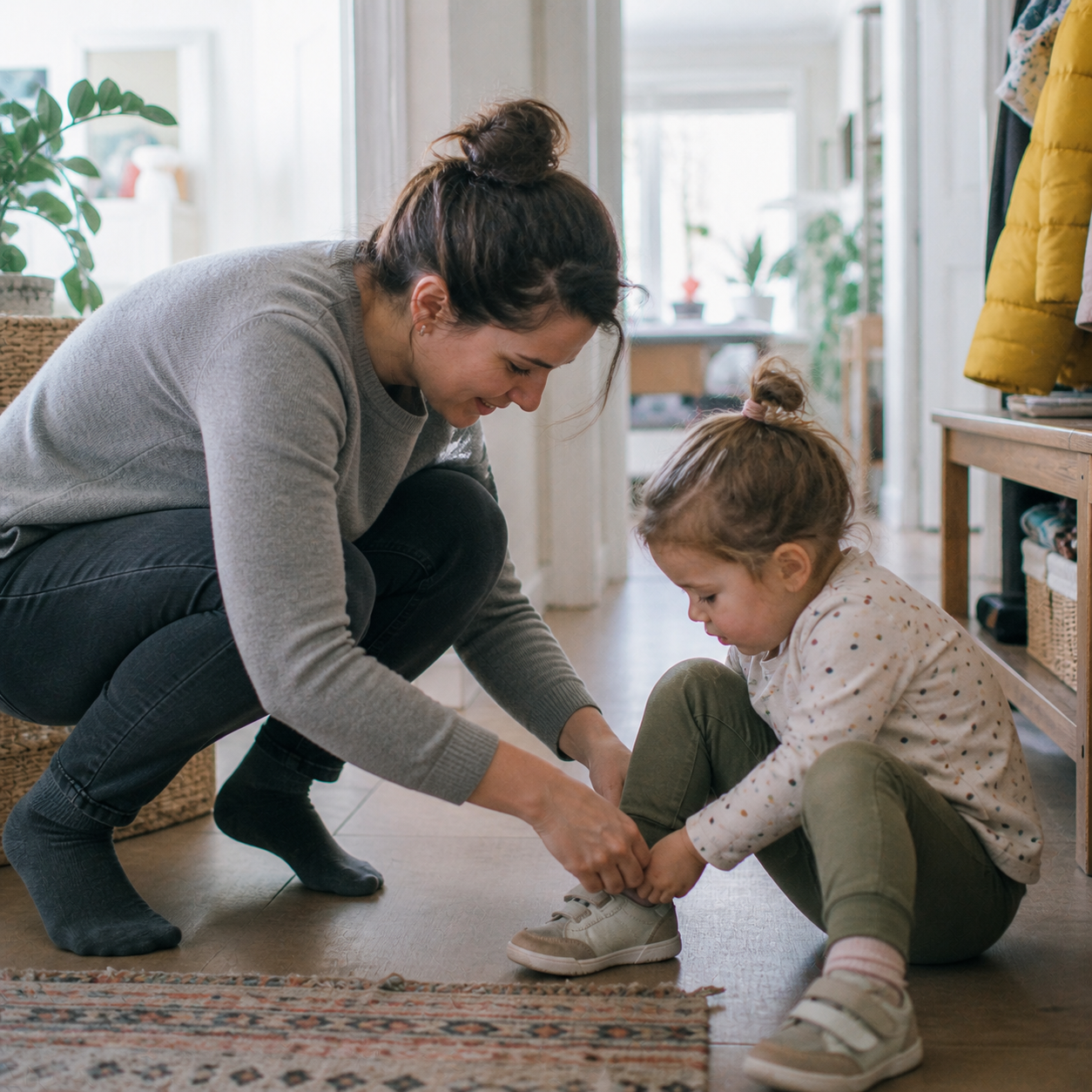
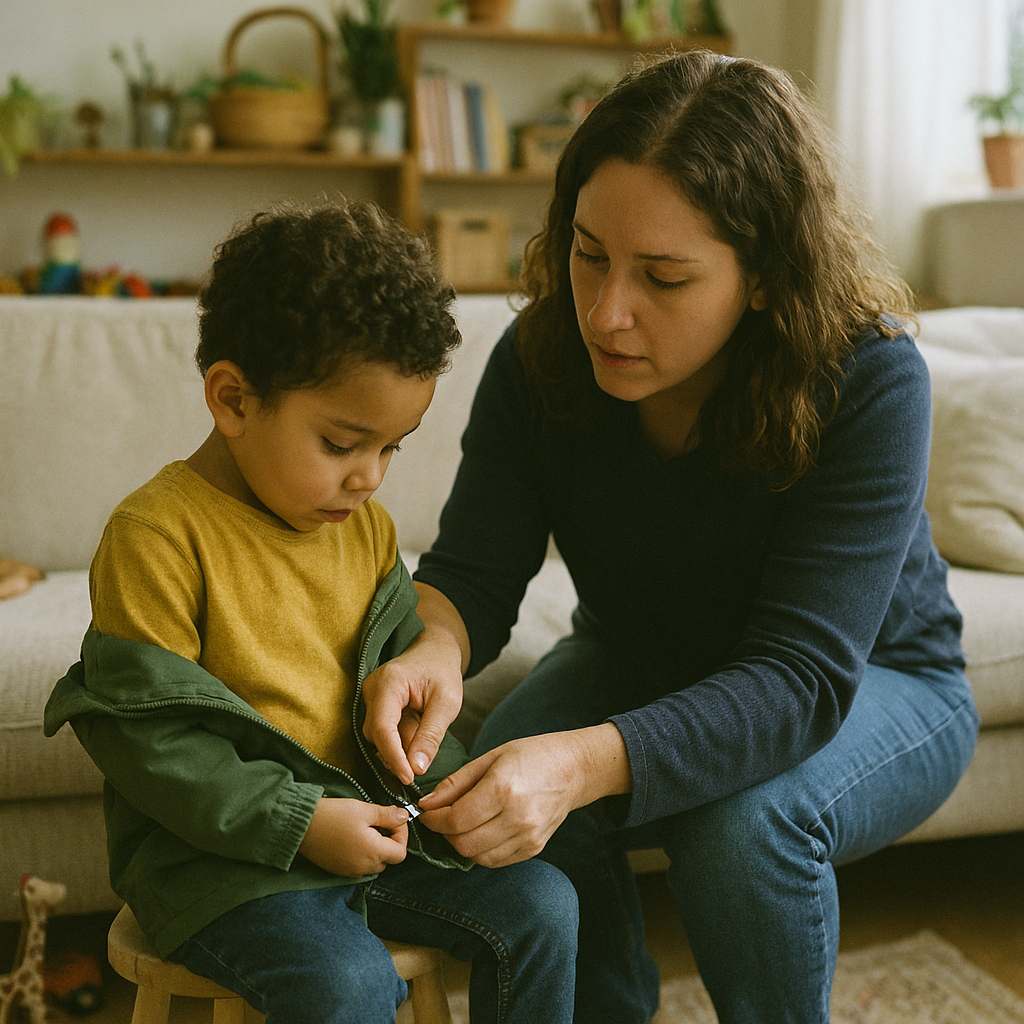
As your Tiny Talker grows and develops, they will begin to assert their independence and want to ‘have a go’ at tasks on their own. This may involve them wanting to feed themselves, put on their own shoes, zip up their own coat, or use the toilet. It is crucially important that you encourage all attempts children make to be independent as the skills they are learning critical life skills and will support them on their journey to starting school.
👉 Click below to find out more:
Encouraging young children to be independent helps them grow in confidence and feel good about themselves. Children are naturally curious and like to have a go at doing things on their own. When you let them try, you show them that you believe in them, which helps them feel proud of what they can do.
By tackling small tasks—like putting on their own coat—children learn to think through problems and understand that it’s okay not to get things right the first time. With your support, they learn to try again and keep going. This helps them build resilience and teaches them that mistakes are part of learning. These skills make it easier for them to cope with new situations, such as starting school.
Being confident with self-care, helps children to feel more in control and safe when they start school. But what do we mean by self-care skills?
Dressing/Undressing
Practising dressing and undressing will help children when they go outside to play or when they get changed for a PE lesson. Practice taking off clothing such as socks first as this is an easier task, then encourage putting on simple clothes, shoes, and coats, particularly those with easy fastenings like Velcro or chunky zips. Once they have mastered the basics, you can then add in more tricky fasteners!
👉 Click here to find out more about helping your little one get dressed and undressed with the help of some of their CBeebies friends:
- Getting dressed by yourself: How to teach your child – BBC Tiny Happy People
- The Getting Ready Badge: How can I get my child dressed for school? – parental advice with Hey Duggee – BBC Tiny Happy People
- This Is The Way We Get Dressed | Kids Songs | Super Simple Songs – YouTube
- Fussy dressing and sensory issues: What to do when getting dressed is a daily battle – BBC Tiny Happy People
Hand Washing
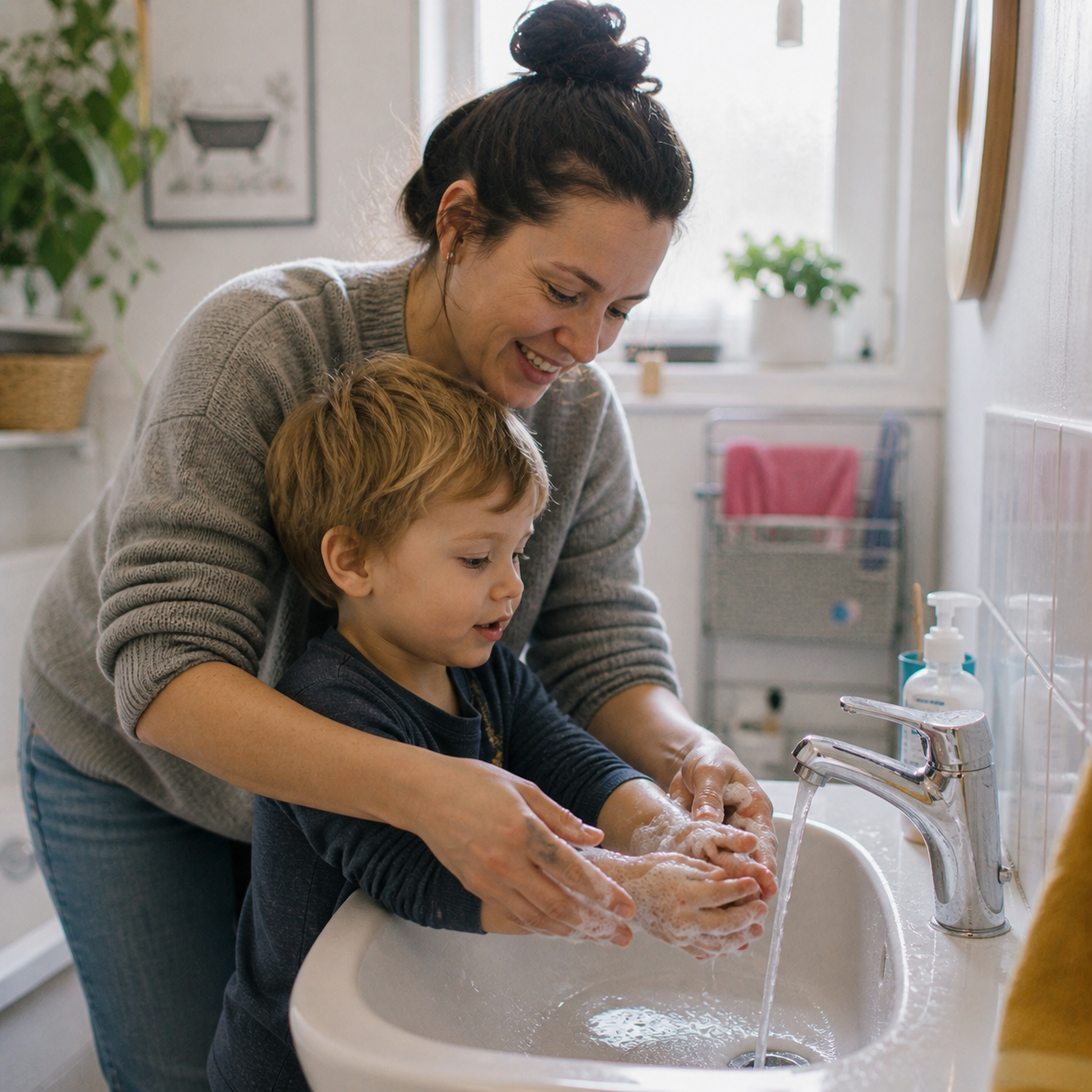
Good hand washing is the first line of defence against the spread of many illnesses — from the common cold to more serious infections. Teaching young children to wash their hands after going to the toilet, before eating after coughing and sneezing, and after they have played, teaches them the importance of hygiene and how to keep themselves healthy and safe.
👉 Click here to find out more about hand washing a fun experience:
- How to wash your hands – teaching kids how to hand wash – BBC Tiny Happy People
- How to wash your hands – NHS
- Washing Your Hands song – CBeebies
Using the Toilet
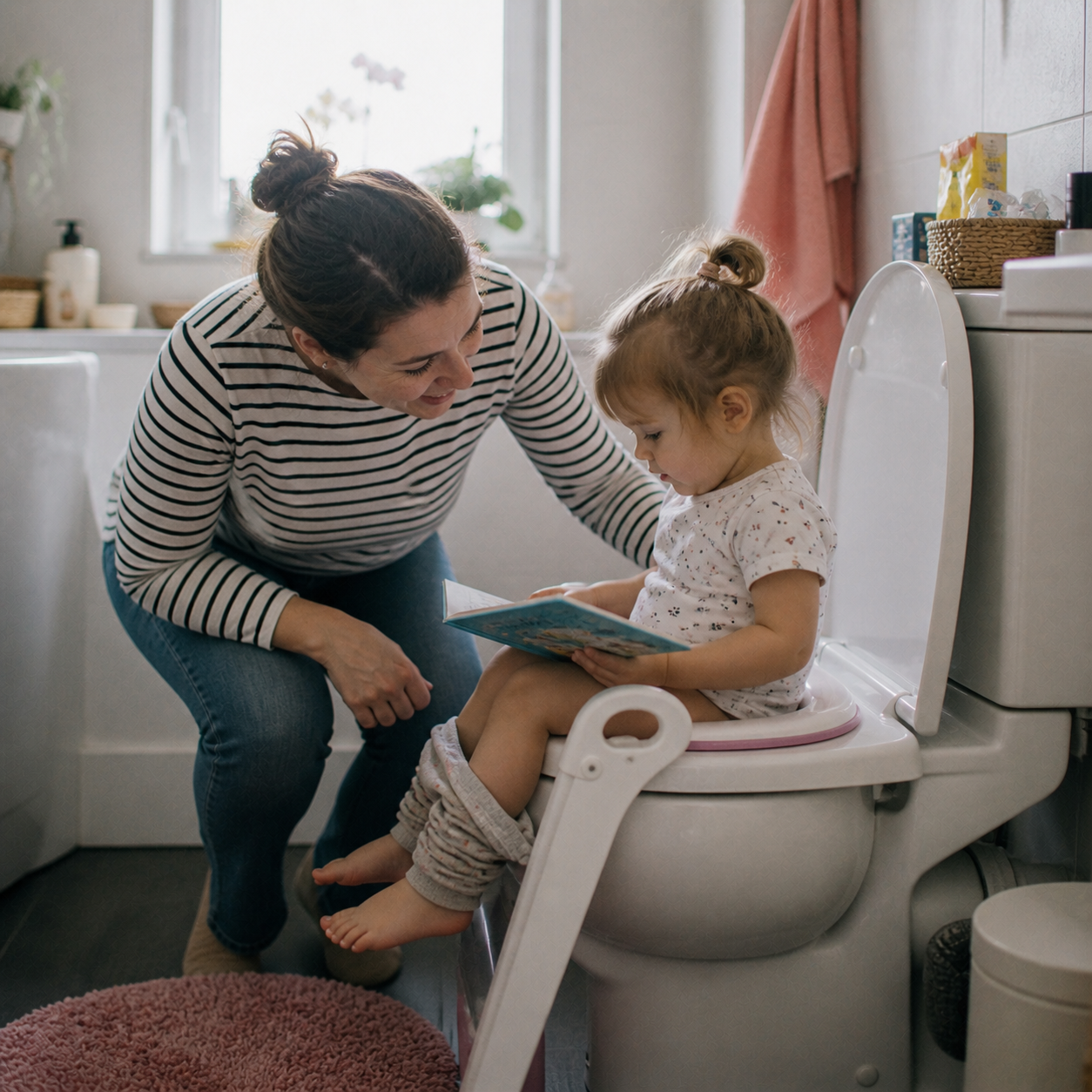
Potty training is an important milestone in your child’s development. We understand that all children develop at their own pace, but research shows it’s best for your child’s bowel and bladder health to stop using nappies, including reusable nappies, pull-ups, and training pants, between 18 and 30 months.
It’s really important that children are out of all nappies well in advance of starting the Reception/F2 year in school. The only exception should be children with a diagnosed medical need, such as a bladder or bowel condition.
Being out of nappies not only helps children to feel confident, healthy, and part of the group, it also means teachers can spend more time teaching and supporting children’s development in other ways.
👉 Click here to find out more about how to get started with potty training:
- The Potty Training Guide – Starting Reception
- Preparing for potty training – BBC Tiny Happy People
- Top tips for toilet training – BBC Bitesize
- Bing sing-along with The Toilet Song | Teach your little one toilet training with a fun song to help them know when to go to the toilet | Potty training song for toddlers – CBeebies
Recognising Your Own Name
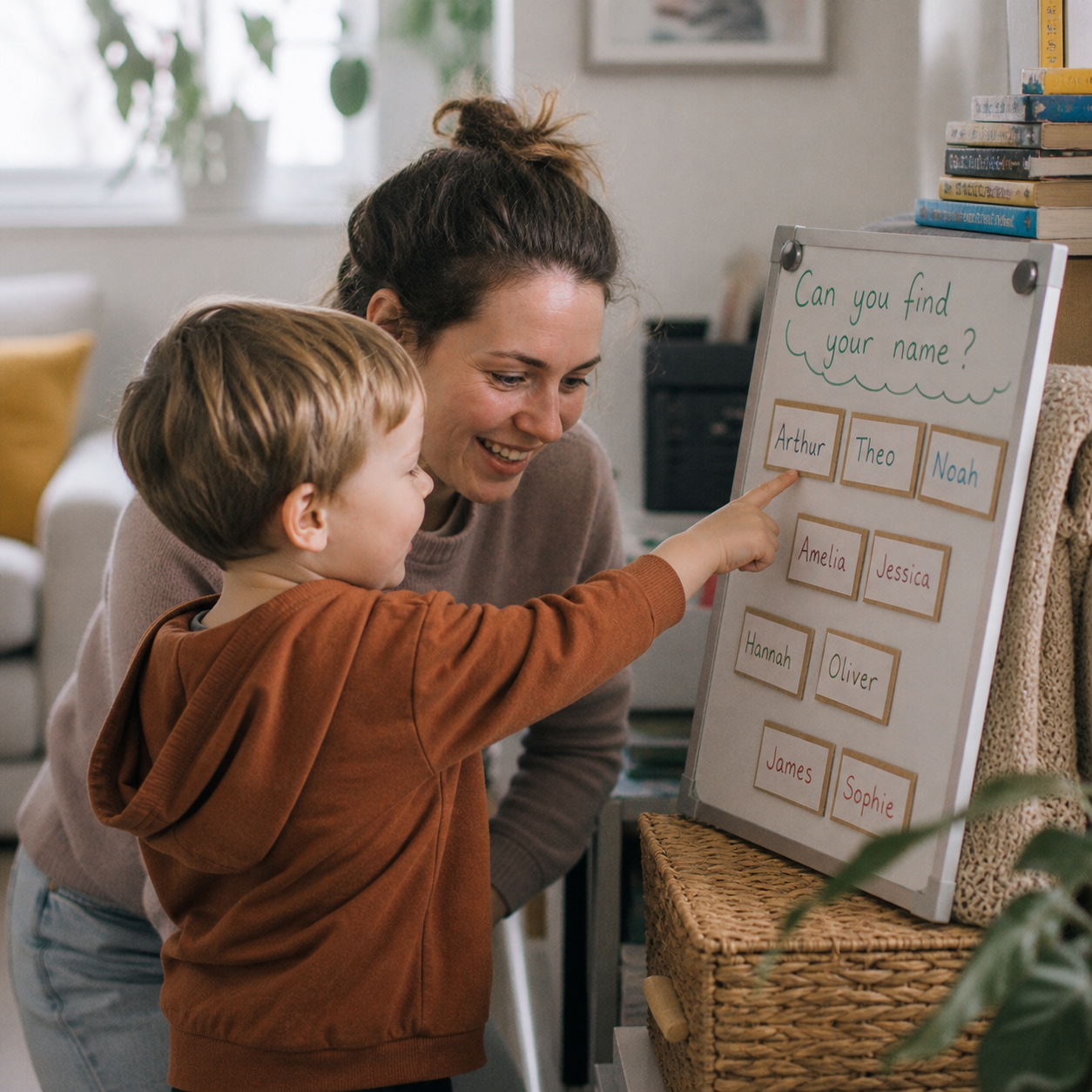
Children typically begin recognising their own written name between 3 and 4 years old, marking an early step in literacy, identity, and independence. Recognising your own name when it is written down is a really important skill for children to learn before they start school. This will help them find their coat peg, self-register for activities and find their drawer more easily.
👉 Click here to find out more about some great practical ideas to help your child recognise their name: