Home Learning and PEEP
Research shows that your involvement in your child’s early learning has a greater impact on their wellbeing and achievement than any other single factor. Bigger than schools, bigger than nurseries — you.
The good news is most of it doesn’t need a special activity or a quiet hour. It happens in the everyday: singing, talking, walking to the park, noticing the world together.
Three things to try today
The four key skill areas
Everyday learning at home
The skills your child develops in the early years group naturally into four areas. Here’s what each looks like, and easy ways to support them at home.
Maths is everywhere
Developing early maths skills
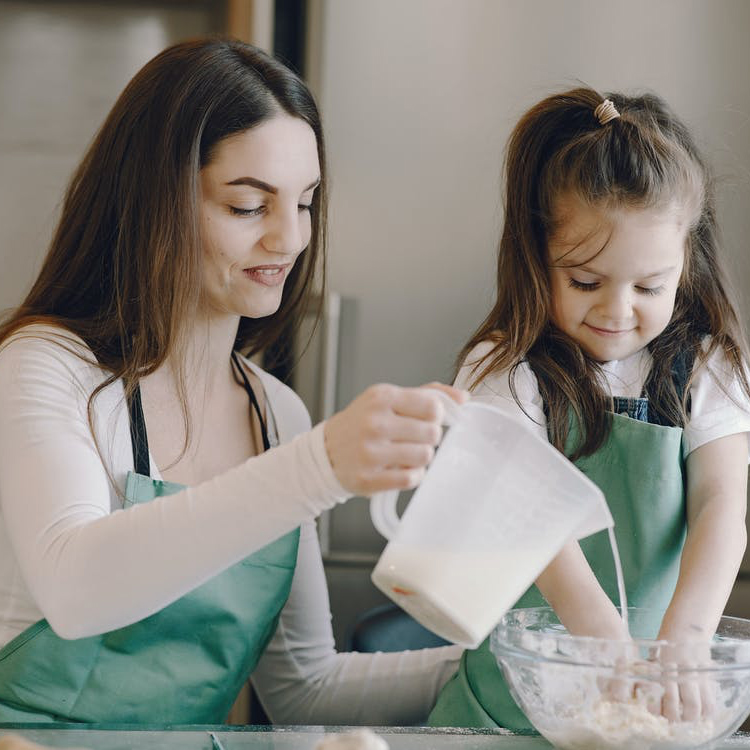
Maths is all around us — telling the time, organising the day, paying for shopping, working out when to leave. Counting steps on the way to nursery, sorting socks, naming shapes you spot on a walk: every one of these is your child’s brain doing maths.

Friendships and feelings
Growing personally, socially and emotionally
This is the foundation everything else sits on:
* Building relationships with others
* Understanding themselves and their emotions
* Learning how to interact by watching what you do and listening to what you say
Your everyday choices — how you talk to a stranger at the bus stop, how you handle a frustrating moment — are your child’s textbook for being a person.
A note for dads and male carers
Get stuck in
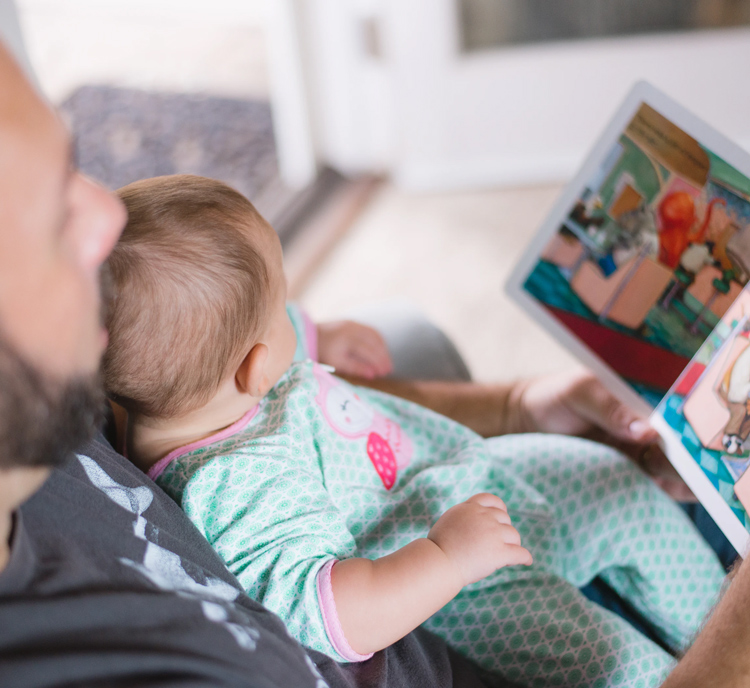
Dads, like mums, play a huge role in young children’s lives — children do better educationally and socially when dads are actively involved. So get in the play. Build a living-room den. Get colouring. Have a kick-about. Play peek-a-boo until they collapse with the giggles.
The everyday-learning ideas above are quick, easy and based on real evidence — they work for every parent and carer in your child’s life.
A free local programme
PEEP Learning Through Play
PEEP helps parents, carers and practitioners make the most of the learning opportunities in everyday life — supporting your baby’s and young child’s learning through play.
The programme is delivered across Rotherham at Family Hubs and other community venues, and it’s free to join.