Play and Learning
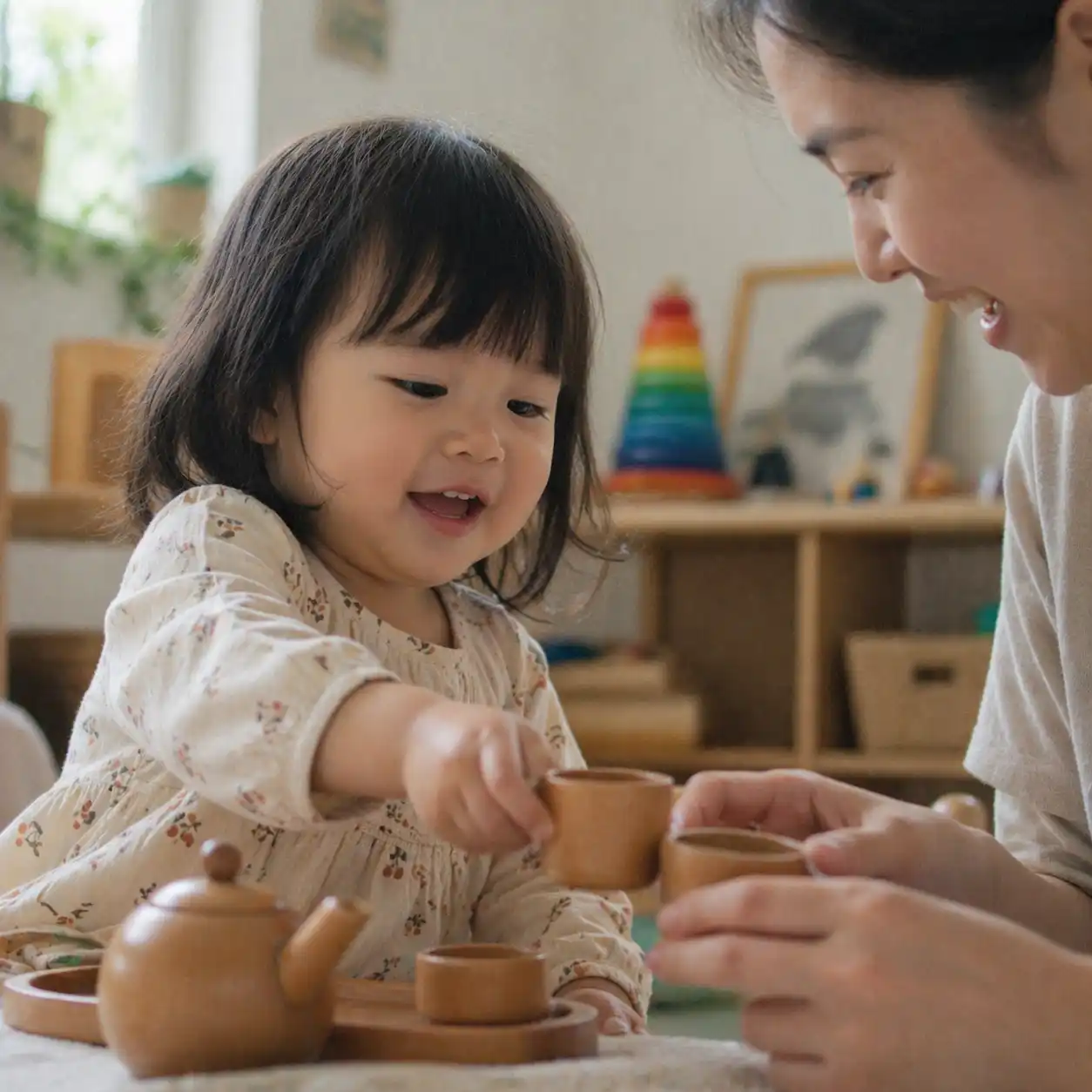
Play is one of the best ways for young children to learn. When children play, they discover new things, make friends, and build important skills. Every child develops at their own pace, but there are common steps along the way — and play supports all of them.
When you join in with your child’s play, you’re doing more than having fun. You’re helping them learn about themselves, other people, and the world around them.
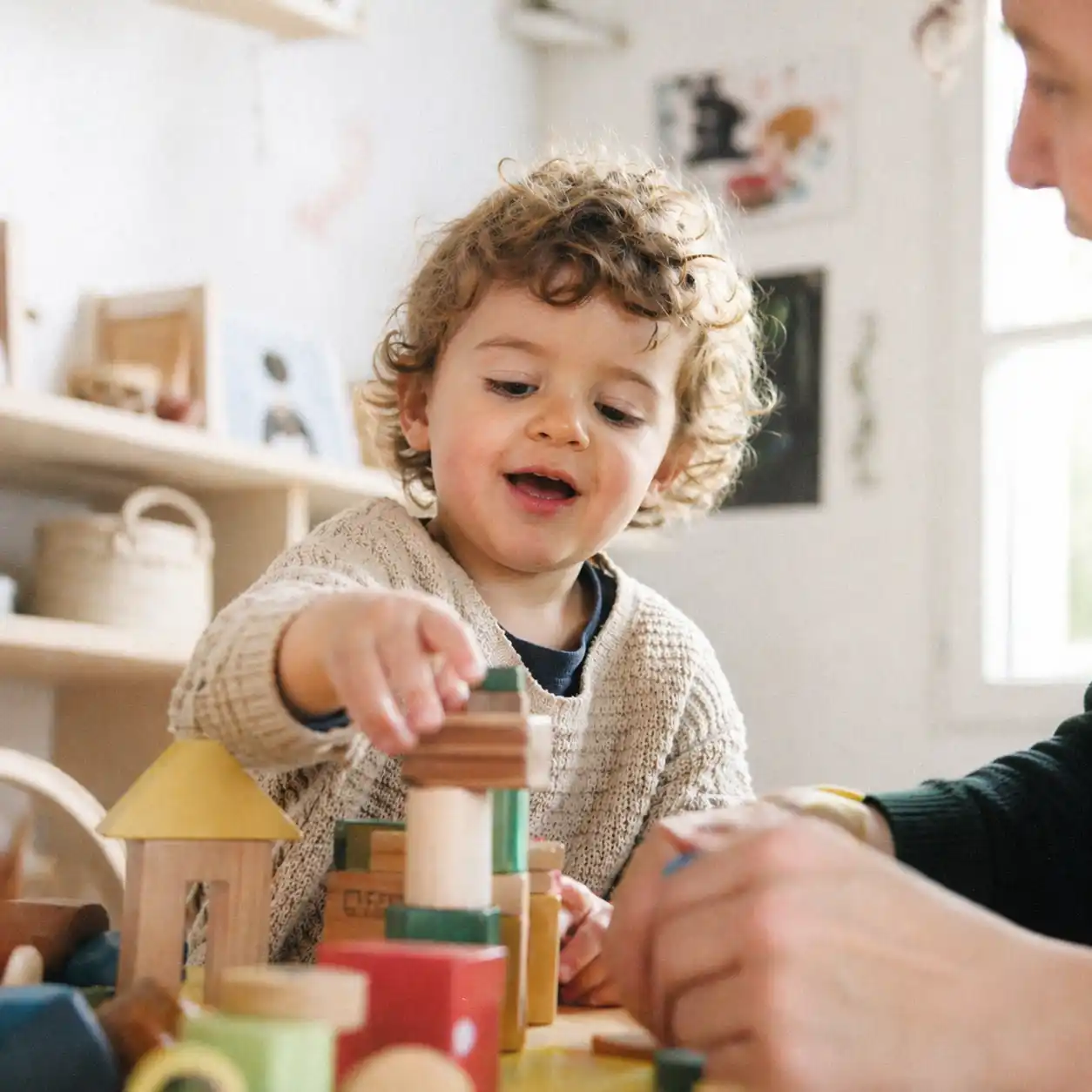
Through play, your child learns to…
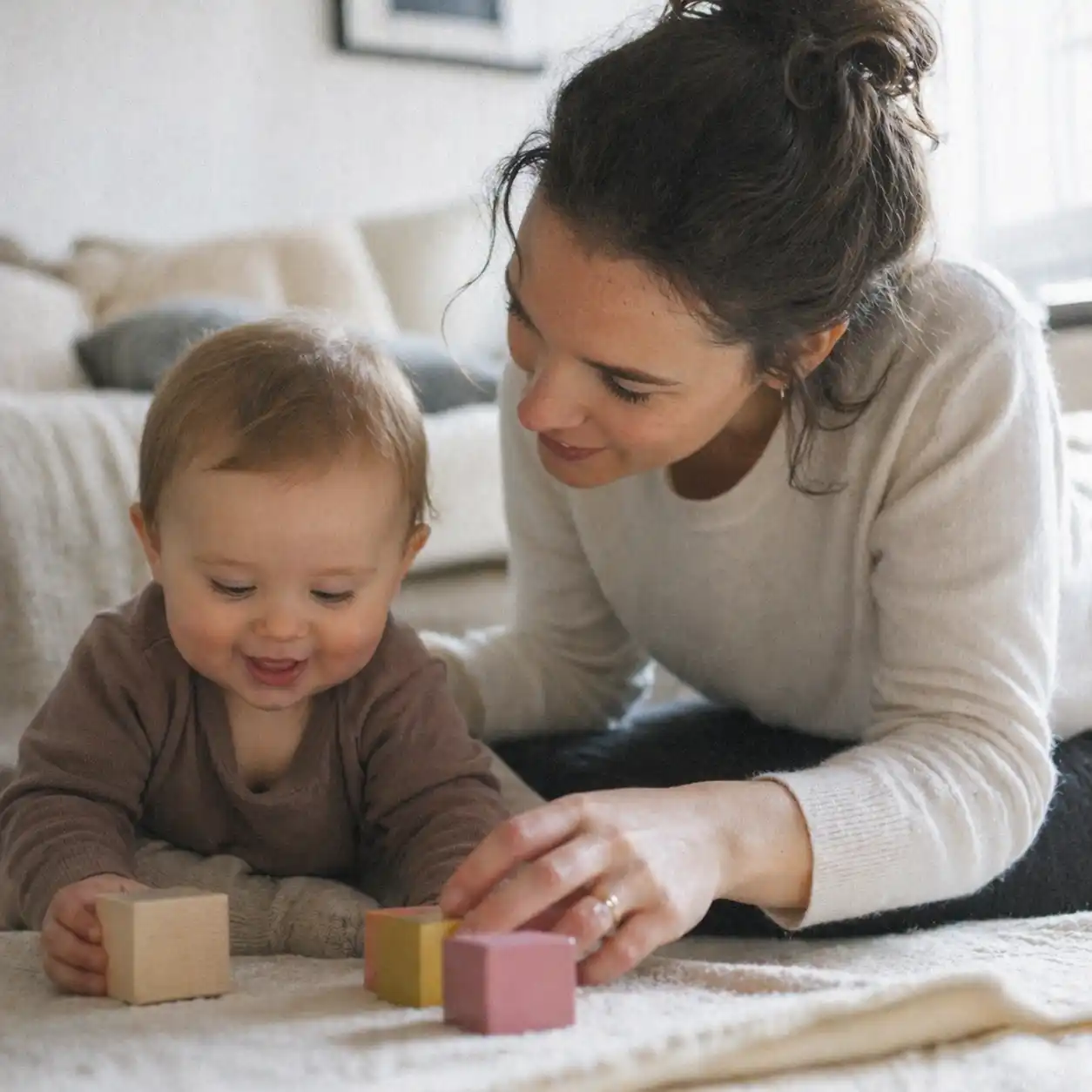
Play is everywhere
Different types of play
Play can happen anywhere — bathtime, bedtime, even while washing up. Using silly voices or singing together builds your child’s brain from birth. Here are some of our favourite places to find quick, doable activity ideas:
Looking for more? Browse our full activities library →
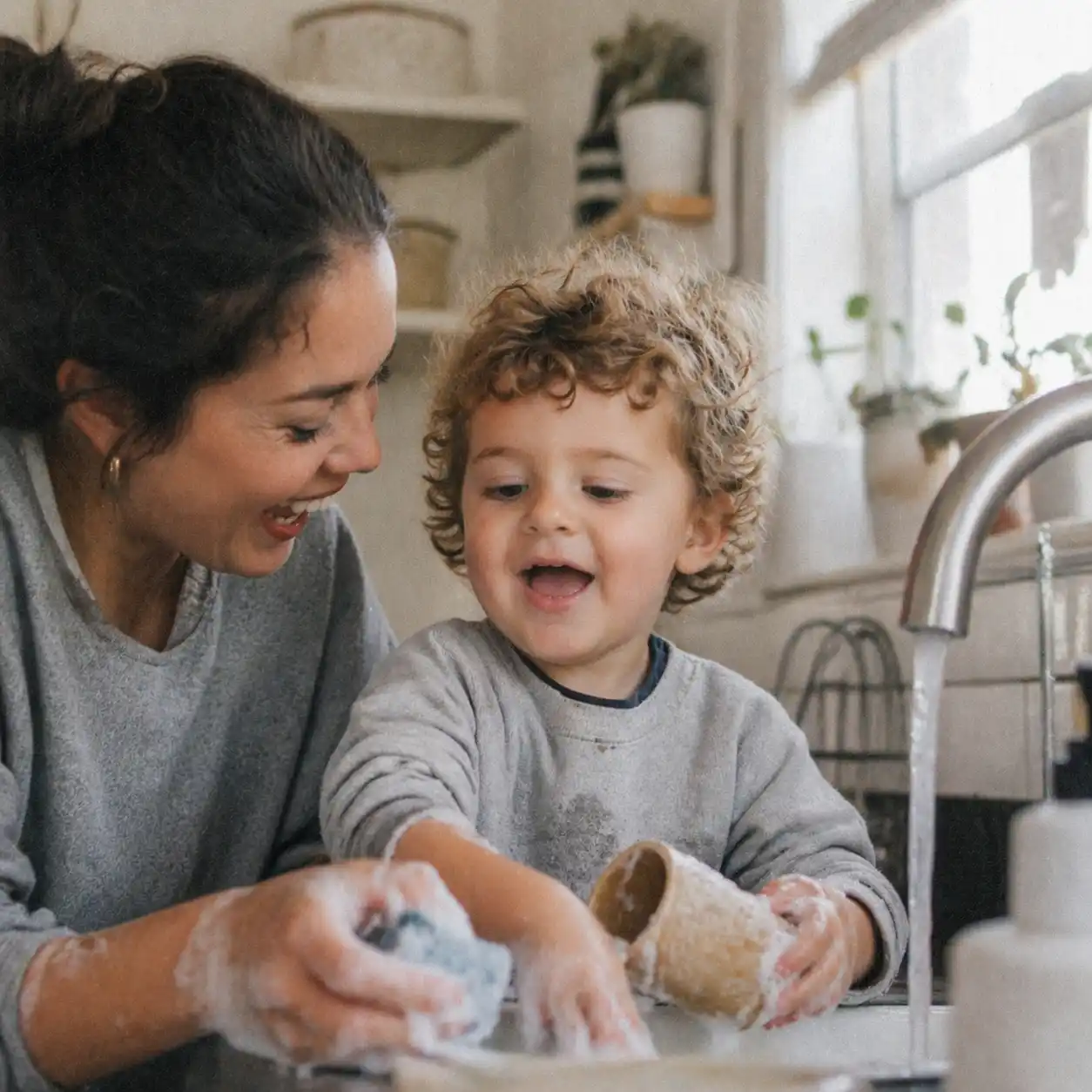
Make it stick
Top tips for play
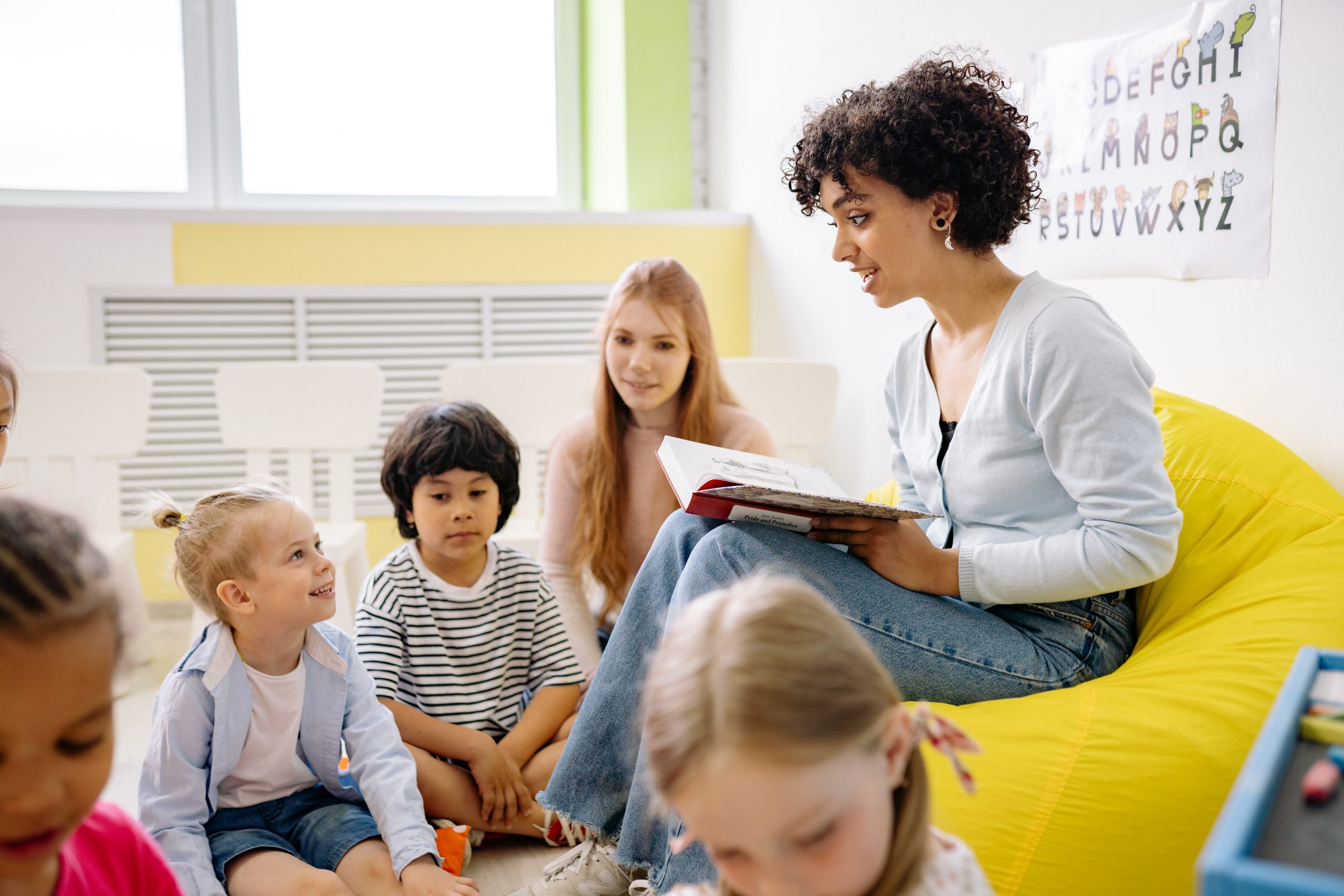
Sharing, taking turns, chatting, and making friends are lifelong skills. They take time to learn — and play is the perfect way to practise. A few simple tips can make playtime more fun and engaging for both of you:
Looking for more? See all our tips →
In your local area
Where can I play with my child in Rotherham?
From baby yoga and sensory play to toddler football and stay-and-play sessions, there’s something for every age and stage. Local Family Hubs and Children’s Centres offer welcoming spaces for fun and learning.
Want to dig deeper?